

As a contractor, you already deal with enough day-to-day risks. From working around power tools to managing subcontractors on busy job sites, there are plenty of opportunities for something to go wrong. That’s why workers’ compensation insurance is such an important part of protecting your business.
Still, many contractors misunderstand what workers’ compensation insurance actually covers or whether they even need it. These misconceptions can lead to major financial consequences, fines, or liability issues if someone gets hurt on the job.
To help protect your business, here are five common myths about workers’ compensation insurance for contractors and the truth behind them.
Myth #1: Independent Contractors Don’t Need Workers’ Compensation
This is one of the most common beliefs among contractors. Many assume that if someone works under a 1099, they do not need to be covered under a workers’ compensation policy.
The reality is more complicated. State laws often determine whether coverage is required, and the rules vary depending on the type of work being performed. Construction in particular has stricter regulations. Even if a worker is labeled as an independent contractor, the state may still consider them an employee based on how the work is structured.
If a worker is injured and later ruled to be misclassified, you could be responsible for unpaid premiums, penalties, and injury-related costs. Misclassification is a costly mistake that can catch business owners off guard.
Why it matters: The safest approach is to review your state’s requirements and work with an insurance professional who understands contractor classifications.

Myth #2: Subcontractors’ Coverage Automatically Protects Me
Hiring subcontractors can be a smart way to get specialized work done. But relying on their coverage without verifying it can expose you to unnecessary risk.
A subcontractor may claim they have workers’ compensation insurance when their policy has lapsed or no longer meets state requirements. If their coverage is invalid or incomplete and someone gets hurt, the liability often shifts back to you as the hiring contractor.
Before any subcontractor starts work, always:
Request a certificate of insurance
Confirm that the policy is current
Make sure their coverage applies to the work they are performing
Why it matters: Verification protects your business from being held responsible for injuries you assumed were covered.
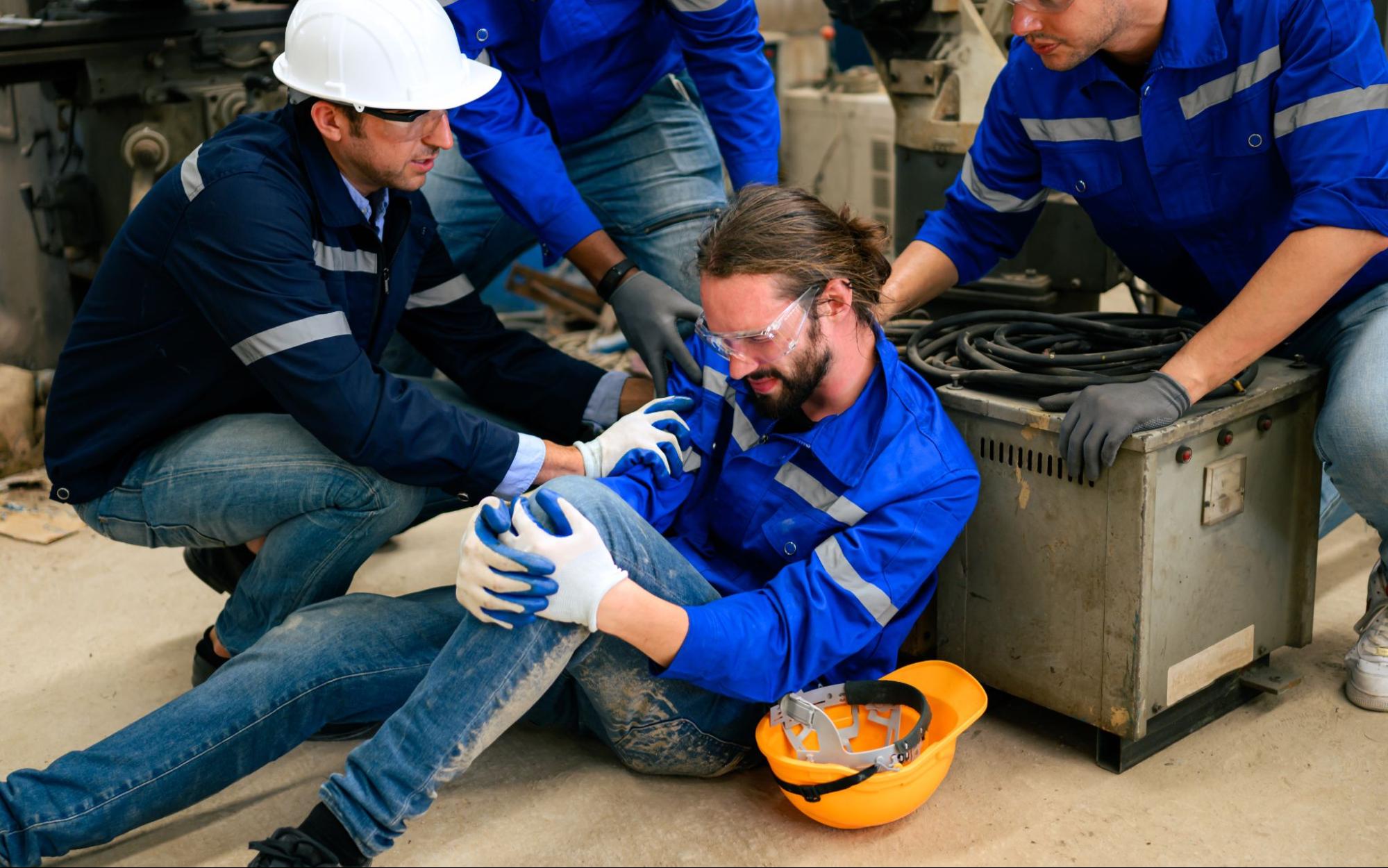
Myth #3: Workers’ Compensation Only Covers Medical Bills
Medical bills are only one part of what workers’ compensation insurance provides. A standard policy includes a range of financial protections that help both the injured worker and the business.
Workers’ compensation can also cover:
Lost wages during recovery
Rehabilitation or physical therapy
Ongoing disability support
Without a policy, even a minor injury can create a major financial strain. One fall or equipment accident could lead to extended time off, expensive rehab, and legal complications.
Why it matters: Workers’ compensation is designed to stabilize your business and support injured workers through every stage of recovery.
Myth #4: Small Crews or Family-Only Businesses Are Exempt
Some contractors believe that if they only work with one helper or keep their crew small, they are automatically exempt from coverage. While certain states do offer limited exemptions, these rules are not universal and they rarely apply to construction.
In states like Florida, construction businesses must carry workers’ compensation insurance even with just one employee. That includes family members, part-time workers, and sometimes even owners depending on how the business is structured.
Operating without required coverage can result in steep penalties, stop-work orders, and personal liability if an injury occurs.
Why it matters: Crew size does not determine whether workers’ compensation is required. Your industry and state guidelines do.
Myth #5: General Liability Insurance Covers Job Site Injuries Instead
General liability insurance is essential for contractors, but it does not replace workers’ compensation. These two coverages serve very different purposes.
General liability covers:
Third-party property damage
Client or visitor injuries
Certain lawsuit-related expenses
It does not cover injuries to your employees or to uninsured subcontractors’ workers.
If someone working for you gets hurt and you do not have workers’ compensation insurance, you could be responsible for their medical bills, lost wages, and legal costs. General liability will not step in to fill that gap.
Why it matters: Both policies are important, but only workers’ compensation protects you from employee injury claims.
The Real Cost of Misunderstanding Workers’ Compensation
Running a contracting business already requires careful planning and attention to safety. Trying to navigate coverage requirements on your own can feel overwhelming, especially when state laws and job site risks vary so much.
Having the right workers’ compensation insurance offers:
Financial protection from unexpected injury costs
Support for your workers while they recover
Compliance with state laws and industry requirements
Stability and peace of mind for your business
Even if your business is small or you only hire help occasionally, coverage is one of the smartest long-term investments you can make.

Protect Your Crew and Your Business
Misconceptions can leave contractors vulnerable, but the right insurance partner can help you stay protected and compliant. At Liberty DSI, we work with contractors across a wide range of trades to make sure they understand their options and get coverage that fits their needs.
If you’re ready to review your policy or explore workers’ compensation insurance for contractors, our team is here to help you find the right solution.